What is In-House Financing for Used Cars?
Posted Friday, Jul 11, 2025
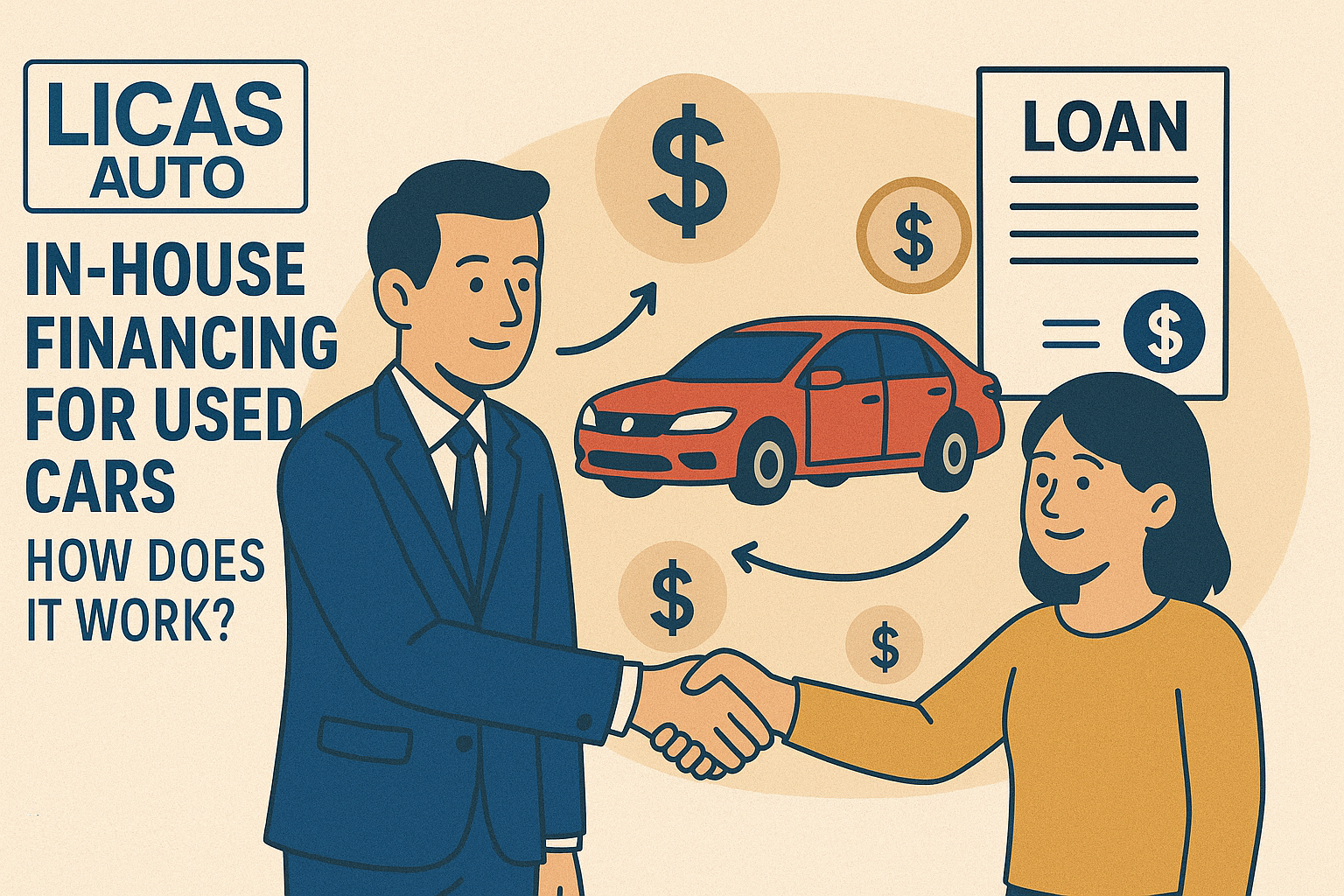
In-house financing car dealers provides a unique opportunity for buyers, especially those with varied credit histories. Understanding how in-house financing works is crucial for anyone looking to buy a car. It can simplify the financing process and offer flexible options that traditional lenders may not provide. This blog post will explore important questions regarding in-house financing, its benefits, and how it can help you secure a vehicle.
What is In-House Financing?
In-house financing is a practice where car dealerships offer loans directly to buyers, eliminating the need for third-party lenders. Instead of going through a bank or credit union, the dealership acts as the lender, allowing buyers to complete their vehicle purchase and loan application simultaneously. This method is particularly beneficial for people with limited or poor credit history.
A lot of used car dealerships offer in-house financing options. This allows them to cater to a broader range of buyers, including those who may struggle to secure traditional financing. The process usually involves a straightforward approval process, which can sometimes be completed on the spot.
How Does In-House Financing Work?
The in-house financing process typically involves the dealer assessing the buyer's creditworthiness and financial situation. Buyers will need to provide necessary documentation, including income verification and identification. Once this is done, the dealership will present financing options tailored to the buyer's needs.
Dealerships may offer varying loan terms, interest rates, and down payment requirements. It's essential for buyers to review these terms carefully to ensure they are manageable and affordable. In-house financing can often lead to higher interest rates than traditional bank loans, so understanding the total cost of the loan is crucial.
What Are the Benefits of In-House Financing?
- Flexible Approval: Many dealerships offering in-house financing are more lenient with their approval criteria, making it easier for buyers with low or no credit to secure a loan.
- Convenience: Completing the financing and purchase at the dealership streamlines the process, allowing buyers to drive away in their new vehicle sooner.
- Direct Communication: Working directly with the dealership can help buyers clarify their financing options and resolve any issues more quickly than dealing with a third-party lender.
Who Should Consider In-House Financing?
In-house financing is well-suited for individuals who may struggle to secure a loan through conventional lenders. Buyers with bad credit, a limited credit history, or those who need a quick financing solution may benefit significantly from this option. Additionally, individuals looking to purchase a used car and needing immediate financing can find this method advantageous.
However, it's important for prospective buyers to carefully consider both the advantages and disadvantages. While in-house financing can provide immediate access to funding, it may come with higher interest rates and less favorable loan terms compared to traditional financing options.
What Should You Look for in In-House Financing?
When considering in-house financing, it’s vital to evaluate several factors:
- Interest Rates: Compare the interest rates offered by the dealership with those of banks or credit unions. Higher rates can substantially increase the total cost of the vehicle.
- Loan Terms: Look for manageable payment plans. Ensure that the monthly payments fit within your budget and that you understand the total duration of the loan.
- Down Payment: Some dealerships may require a large down payment. Be ready to negotiate and fully understand how it impacts your loan terms.
Is It Possible to Improve Your Credit Score Through In-House Financing?
Yes, in-house financing can provide an opportunity to improve your credit score. Regularly paying your loan on time can boost your credit history. Many dealerships report to credit bureaus, which means your borrowing behavior responsible can help you build a better credit profile over time.
For those with a poor credit score, in-house financing can serve as a steppingstone to better financial health. It's recommended to verify whether the dealership reports to credit bureaus before moving forward with financing.
What Are the Risks of In-House Financing?
While in-house financing can be a great option for many buyers, it does come with certain risks:
- Higher Interest Rates: As mentioned, interest rates are often higher than those from traditional lenders, which can lead to a more expensive loan overall.
- Limited Options: Buyers may not have as many options for financing terms, which can limit their ability to negotiate favorable conditions.
- Potential for “Last Resort” Financing: Some buyers may feel pressured to accept unfavorable terms because they perceive in-house financing as their only option.
How Do You Apply for In-House Financing?
Applying for in-house financing is typically straightforward. Begin by visiting the dealership and expressing your interest in purchasing a vehicle. After selecting a car, you will need to fill out a credit application form provided by the dealer.
Be prepared to provide necessary documentation, such as proof of income, identification, and any references the dealership may require. The dealership will then evaluate your application and present financing options based on your credit profile and financial situation.
Are There Alternatives to In-House Financing?
Yes, there are several alternatives to consider:
- Bank Financing: Traditional banks and credit unions often offer competitive interest rates and more favorable loan terms for buyers with good credit.
- Personal Loans: Some buyers may choose to secure a personal loan from a bank or online lender to purchase a vehicle.
- Credit Union Financing: Credit unions can provide lower interest rates and may be more willing to work with buyers with less-than-perfect credit.
What Should You Know About Loan Terms?
Understanding loan terms is crucial when considering in-house financing. Key components include:
- Loan Amount: Make sure the loan covers the full price of the vehicle, including taxes and fees.
- Interest Rate: This represents the cost of borrowing, shown as a percentage. A lower interest rate leads to paying less overall.
- Loan Duration: The repayment period influences the size of your monthly payments. Shorter loan terms typically lead to higher monthly payments but reduce the total interest paid over the life of the loan.
Conclusion:
- In-house financing presents an easy option for buyers, especially those with less-perfect credit.
- It allows for streamlined purchasing and financing processes at the dealership.
- While it offers flexibility, buyers should be cautious of higher interest rates and less favorable loan terms.
- Paying your in-house financing on time can boost your credit score.
- Alternatives like bank and credit union financing should also be explored for better terms.
If you're considering purchasing a vehicle and want to explore in-house financing options, check out Lake Instant Credit Auto Sales, a reputable used car dealership in Osage Beach, MO. They specialize in a variety of used cars for sale and offer flexible used car loans and financing options. Whether you have good credit or are looking for used car dealers that work with bad credit, they can help you find the right vehicle and financing solution for your needs.
Frequently Asked Questions About In-House Financing for Used Cars
Q1: What is in-house financing for used cars?
In-house financing — also known as Buy Here Pay Here (BHPH) is when the dealership acts as the lender directly, rather than going through a bank or credit union. You apply, get approved, and make your payments all at the same dealership. At LICAS Auto in Osage Beach, MO, we offer in-house financing to help buyers of all credit types get behind the wheel quickly and easily.
Q2: Who qualifies for in-house financing?
In-house financing is designed for buyers who may struggle to get approved through traditional lenders — including those with bad credit, no credit history, or past financial hardships. At LICAS Auto, we look at your overall financial situation — income, employment stability, and ability to make payments — not just your credit score.
Q3: Does in-house financing affect my credit score?
Applying for in-house financing typically involves a credit check, which may have a small, temporary impact on your score. However, making consistent on-time payments can help rebuild and improve your credit score over time — making in-house financing a great opportunity to strengthen your financial future.
Q4: What documents do I need to apply for in-house financing?
Most in-house financing applications require proof of income (pay stubs or bank statements), a valid government-issued ID, proof of residence, and personal references. At LICAS Auto, our team walks you through exactly what you need to bring in, making the process as simple and stress-free as possible.
Q5: Are interest rates higher with in-house financing?
In-house financing rates can be higher than traditional bank loans — this reflects the greater flexibility and accessibility offered to buyers with less-than-perfect credit. However, the convenience, fast approval, and ability to rebuild your credit often outweigh the difference in rate for many buyers.